Articles • 25 November 2026
How Much JPY to Bring to Japan and Where to Exchange Before You Fly
Standing at a ramen counter in Osaka with a card the owner cannot read is a bad way to find out how much JPY to bring to Japan. Coming home with ¥100,000 you never spent is not much better, since you lose a slice of it converting back to ringgit.
We have been exchanging currency for Malaysian travellers since 1994, so this guide sticks to the practical side. We cover how much to carry, what to take on arrival day, where to buy yen before you fly, and the cash declaration rules on both ends of your trip.
Key Takeaways
- Japan is mostly cashless in big cities, but about 4 in every 10 yen of consumer spending is still paid by other means, including cash, so bring yen even if you plan to tap a card.
- A workable cash budget is ¥5,000 to ¥7,000 a day for budget travel and ¥8,000 to ¥12,000 a day for mid-range travel, with cards covering hotels and bigger purchases.
- Carry ¥10,000 to ¥20,000 for arrival day and withdraw the rest from an ATM that takes overseas cards, such as Seven Bank in 7-Eleven stores.
- Buy yen from a licensed money changer before you fly, and compare the "We Sell" rate against what your bank and the airport counter quote.
- Declare cash of more than ¥1,000,000 when entering or leaving Japan, and USD 10,000 or more when entering or leaving Malaysia.
Is Japan Still a Cash Country?
Less than it used to be, but you still need yen. Japan's Ministry of Economy, Trade and Industry reports that cashless payments made up 58.0% of consumer spending in 2025, based on a new domestic measure it introduced in March 2026. That leaves roughly 4 in every 10 yen of consumer spending paid by other means, which includes cash.
Cards work well in cities. The Japan National Tourism Organization warns that many places in rural areas may still take only cash, even hotels, and advises keeping some cash on hand to be safe.
Here is how that splits up, based on JNTO and JAPANODE guidance:
| Usually Fine With Cards or IC Cards | Cash Still Needed or Safer |
|---|---|
| Major hotels and department stores | Rural areas, where even some hotels take cash only |
| Large shopping centres and urban restaurants | Small restaurants and temple counters |
| Most major convenience store chains (contactless) | Ticket vending machines, which take cash only |
| Trains and buses (with an IC card) | IC card top-ups at station machines |
| Vending machines (with an IC card) | Some coin lockers, rural buses and older machines |
How Much Yen to Bring for Your Trip
A reasonable starting point is ¥5,000 to ¥7,000 of cash per day for budget travel and ¥8,000 to ¥12,000 for mid-range travel, assuming you pay for your hotel and bigger purchases by card. JAPANODE's 2026 budget guide puts a budget day at roughly ¥9,000 to ¥14,000 and a mid-range day at ¥18,000 to ¥30,000. Those bands include accommodation, meals, local transport and paid sights, but not long-distance rail.
The cash figures below are our own planning estimates, not an official benchmark. They cover roughly 40% to 50% of daily spend, in line with the 4 in 10 yen that METI shows is still paid by other means, and they leave room for small shops and rural stops.
Daily Cash Budget by Travel Style
| Travel Style | Typical Total Daily Spend | Suggested Daily Cash |
|---|---|---|
| Budget | ¥9,000 to ¥14,000 | ¥5,000 to ¥7,000 |
| Mid-range | ¥18,000 to ¥30,000 | ¥8,000 to ¥12,000 |
| Comfortable | ¥35,000 to ¥60,000+ | ¥12,000 to ¥15,000 |
Total Cash by Trip Length
Multiply your daily figure by the number of days and you get the totals below, rounded to the nearest ¥5,000.
| Trip Length | Budget Travel | Mid-Range Travel |
|---|---|---|
| 5 days | ¥25,000 to ¥35,000 | ¥40,000 to ¥60,000 |
| 7 days | ¥35,000 to ¥50,000 | ¥55,000 to ¥85,000 |
| 10 days | ¥50,000 to ¥70,000 | ¥80,000 to ¥120,000 |
| 14 days | ¥70,000 to ¥100,000 | ¥110,000 to ¥170,000 |
These figures are per person and leave out flights, long-distance rail and anything you have already prepaid. Cards can bring them down, since JAPANODE suggests ¥10,000 to ¥20,000 in cash as a starting buffer for many city travellers and advises against carrying your whole budget in cash.
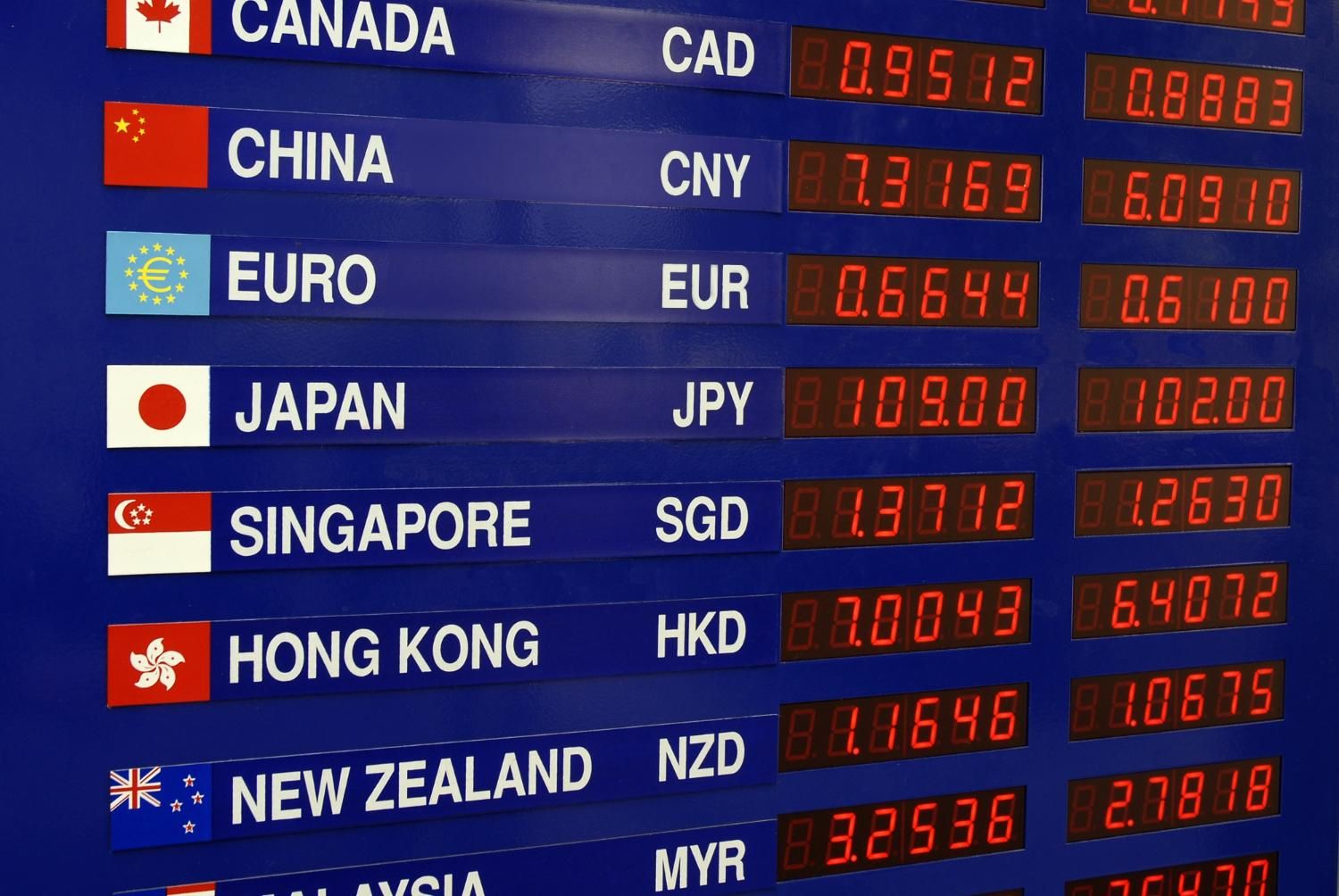
To turn yen into ringgit, use the "We Sell" rate, which is what you pay when you buy yen from us. On 28 Oct 2026, our Jalan Ampang outlet showed RM26.20 per ¥1,000, so ¥50,000 came to about RM1,310. Rates move daily, so treat that as an illustration.
What to Carry on Arrival Day and What to Withdraw Later
Carry ¥10,000 to ¥20,000 per person on arrival day, which matches the starting buffer JAPANODE suggests for city travellers, then withdraw the rest after you land. That covers transport, a first meal and small purchases while you find your feet.
1. Transport and IC Card Top-Up
Visitors can use the Welcome Suica, an IC card that JR East says is valid for 28 days from purchase. It pays for trains, subways and buses in the Tokyo area, and for convenience stores, vending machines and coin lockers.
JR East sells it from ¥1,000 to ¥10,000 at airport ticket machines and Travel Service Centers, though some centres have paused sales, so check JR East's Welcome Suica purchase page before you fly. There are no refunds on unused balance, so start with ¥3,000 to ¥5,000 and top up with cash at station machines as you go.
2. First Meals and Convenience Store Runs
Convenience stores are an easy first stop, since JNTO says contactless payments work at most major chains. Keep ¥3,000 to ¥5,000 in small notes and coins for small restaurants and lockers, where cash is still common.
3. Topping Up with ATM Withdrawals
Seven Bank ATMs in 7-Eleven stores accept overseas cards carrying Visa, Mastercard, UnionPay, American Express, JCB, Discover or Diners Club logos. Seven Bank sets the limit at ¥100,000 per withdrawal for overseas-issued cards, or ¥30,000 for magnetic-stripe cards, and the screen offers Malay among 12 languages.
Some withdrawals carry a fee each time, so fewer, larger withdrawals avoid repeat charges. Your own bank may add overseas fees and a daily cap, so check these before you fly, and keep enough yen in hand for the first 2 days in case a card is declined.
Where to Exchange Ringgit to Yen Before You Fly
A licensed money changer is a practical place to start, because you can check posted rates before you go and collect the notes you want. Banks and airport counters also sell yen, so here are the questions to ask at each of the 3:
| Option | What to Ask or Check |
|---|---|
| Money changer | Is it licensed by Bank Negara Malaysia, and what is its "We Sell" rate for JPY? |
| Bank | Does your branch hold yen or need time to order it, and what rate and fees apply? |
| Airport counter | What are the rate and any fees compared with what you saw in town? |
Buying Yen at Moneywave Outlets
Moneywave Sdn. Bhd. is licensed by Bank Negara Malaysia for currency exchange (MSB Licence No. 00781). We have 5 outlets: 3 in the Klang Valley at Jalan Ampang, Sungai Buloh and Port Klang, 1 in Bukit Indah, Johor, and 1 in Marina Parkcity, Miri. You can find your nearest outlet on our branch locator.
Our daily counter rates quote JPY per ¥1,000, and you can pick your outlet to see its rate. Rates are indicative and are confirmed at the counter.
No appointment is needed. Walk in during opening hours with your MyKad or passport. For larger amounts, contact the outlet ahead so we can assist you better, and ask which note denominations are in stock.
Booking Your Yen Online with BookFX™
If you would rather know your rate before you visit, BookFX™ lets you book your JPY exchange rate online and collect the cash at a Moneywave outlet. You select the currency and submit a request, an agent contacts you with the rate and details, and you confirm the booking.
Then bring valid ID and your booking reference to the outlet and collect your cash within 48 hours. Bookings cannot be changed or cancelled once confirmed, so book when you are sure of your collection day. You can also compare indicative buy and sell rates by outlet before you decide where to go.
Cash Declaration Rules for Entering Japan and Leaving Malaysia
Japan asks you to declare cash of more than ¥1,000,000, and Malaysia asks for a declaration at USD 10,000 or more. Most holiday budgets sit far below both, but the rules apply to the total you carry, so it helps to know them.
| Country | Threshold | What You Do |
|---|---|---|
| Japan (entering or leaving) | More than ¥1,000,000 or equivalent in cash, traveller's cheques, promissory notes or securities | Complete the "Declaration of Carrying of Means of Payment" form with Customs, or declare online through NACCS (user registration required) |
| Malaysia (entering or leaving) | USD 10,000 or more in cash or bearer negotiable instruments | Complete Customs Form No. 7 at the customs counters at entry and exit points |
Japan: More Than ¥1,000,000
Japan Customs requires a declaration before you enter or leave Japan with means of payment worth more than ¥1,000,000 or the equivalent in another currency. The form is available at customs inspection areas in airports and seaports.
Malaysia: USD 10,000 or More
The Royal Malaysian Customs Department says travellers carrying cash and bearer negotiable instruments amounting to or exceeding USD 10,000 must declare them on Customs Form No. 7. Failing to declare is an offence that can carry a fine of up to RM3 million, up to 5 years in prison, or both.
Bank Negara Malaysia's foreign exchange policy on carrying physical notes places no restriction on the amount of foreign currency notes you carry, provided you declare when you go above USD 10,000 equivalent.
What This Means for Your Yen
¥1,000,000 works out to around RM26,000 at recent counter rates, while USD 10,000 is around RM40,000. That makes Japan's threshold the lower one for yen, and the ¥25,000 to ¥170,000 in our trip-length table sits far below both.
If you are carrying money for a group, a long stay or a large purchase, check the latest requirements with Japan Customs and the Royal Malaysian Customs Department before you fly, since rules can change.
Plan Your Yen Before You Fly
Pick your travel style and trip length to get a cash figure, keep ¥10,000 to ¥20,000 for arrival day, and let ATMs and cards cover the rest. That answers how much JPY to bring to Japan for most trips, and buying your notes a week or two before your flight leaves room to fix any shortage.
If part of your Japan budget needs to reach family or friends there, you can check the MYR to JPY rate on WaveTransfer. WaveTransfer is launching soon, and digital transfers will need a Malaysian bank account that supports FPX. You can also send money over the counter at any of our outlets.
When you are ready, check today's counter rates on our Moneywave exchange rates page, choose an outlet near you, and ask for the amount you worked out above.